How to Sell Your Number Plate for the Best Price

Thinking of Selling Your Plate? Here's the Complete Guide
Maybe you've had your personalised plate for years and fancy a change. Maybe you've inherited one. Maybe you bought it as a young lad and now you're a responsible adult who'd rather have the cash. Whatever your reason, selling a personalised plate in the UK is absolutely doable — but there are right ways and wrong ways to go about it.
This guide covers everything from working out what your plate is actually worth to getting the money in your bank account.
Step 1: Get a Realistic Valuation
The first thing most sellers get wrong is valuation. Just because you paid £800 for your plate five years ago doesn't mean it's worth £800 today — it could be worth more or less. And just because you think your plate is clever doesn't mean the market agrees. The plate that reads as your nickname might not mean anything to anyone else.
Start by searching for comparable plates on dealer sites, eBay completed listings, and DVLA auction results. What have similar plates actually sold for? Not what they're listed at — what they've sold for. The difference can be enormous. A plate listed at £2,000 that's been sitting unsold for six months is not a £2,000 plate.
Most reputable dealers, including PersonalReg, offer free valuations. We'll give you an honest assessment of what your plate is likely to sell for based on current market conditions. It might not be what you want to hear, but it'll save you months of fruitless advertising at an unrealistic price.
Step 2: Decide How to Sell
You have three main options: sell through a dealer, sell privately, or sell at auction. Each has pros and cons.
- Dealer (e.g., PersonalReg): They handle marketing, enquiries, paperwork, and transfer. You typically pay a commission (10-20%) but save significant time and hassle. Best for most sellers.
- Private sale (eBay, Gumtree, social media): You keep more of the sale price but handle everything yourself — listing, enquiries, viewings, negotiation, and paperwork. Risk of scams is higher.
- DVLA auction: The DVLA runs its own auctions for plates, but you can't sell your own plate through them. DVLA auctions are for DVLA-owned registrations only.
- Specialist plate auction houses: Some auction companies specialise in number plates and accept consignments from private sellers. Fees vary but typically include a listing fee plus commission.
Step 3: Sort Your Paperwork
Before you can sell, the plate needs to be on a retention certificate (V778) — meaning it's been removed from a vehicle and is held in your name ready for transfer. If the plate is currently on your vehicle, you'll need to apply for retention first, which costs £80 through the DVLA.
Once the plate is on a V778, you effectively hold the "title deed" for that registration. When you sell, you'll transfer this certificate to the buyer, who then uses it to assign the plate to their vehicle. Some dealers handle this entire process for you; in a private sale, you'll need to manage it yourself.
Important: V778 certificates expire after 10 years. If yours is getting close to expiry, renew it (another £80) before trying to sell. An expired certificate means you lose the plate entirely — and there's no getting it back.
Step 4: Set Your Price Right
Pricing strategy matters more than most sellers realise. Price too high and your plate sits unsold for months, losing credibility as buyers assume something's wrong with it. Price too low and you leave money on the table. The sweet spot is a price that's competitive but reflects genuine market value.
A good rule of thumb: price your plate at 10–15% above what you'd be happy to accept, leaving room for negotiation. Serious buyers will almost always try to negotiate, and meeting in the middle gives both parties a win.
Consider seasonal timing too. The plate market tends to be busiest in spring and autumn (when new registrations come out and people buy new cars). January and summer holidays are quieter. Listing your plate at peak times can make a meaningful difference to how quickly it sells.
Step 5: Create a Good Listing
If you're selling privately, your listing is your shopfront. A few tips:
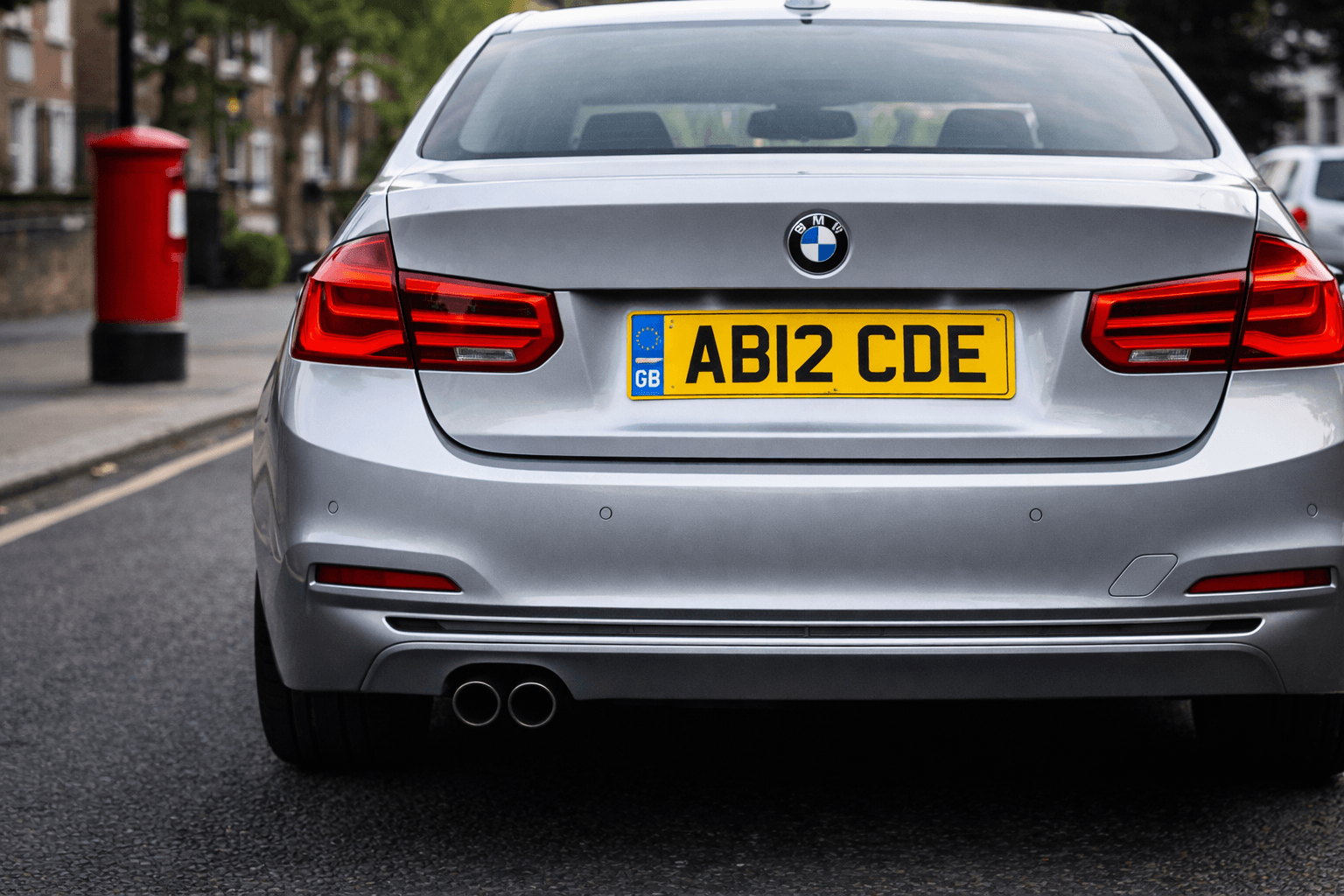
- Include a clear photo of the plate — either on a car or a mock-up image. Plates sell better with a visual.
- State the plate clearly in the listing title, both with and without spacing (e.g., "J4 MES / J4MES / JAMES plate")
- Explain what the plate reads as, in case it's not obvious to everyone
- State your asking price clearly — "offers around £X" is better than "offers"
- Mention that the plate is on a retention certificate and ready for immediate transfer
- Be honest about any time constraints — is the V778 expiring soon? Say so.
Step 6: Handle Enquiries and Negotiate
If you're selling privately, prepare for a range of enquiries from serious buyers to tyre-kickers to outright timewasters. The personalised plate market attracts a lot of "what's your best price?" messages from people with no intention of buying. Don't get frustrated — it's par for the course.
When negotiating, hold firm on your bottom line but be flexible on the details. Some buyers might want to pay in instalments — only agree to this if you retain the certificate until full payment is received. Others might want the physical plates included — these cost £20–40 to make and are a nice sweetener to close a deal.
Always use secure payment methods. Bank transfer is standard for plate transactions, but insist on cleared funds before transferring the certificate. For higher-value plates, consider using an escrow service.
What Costs Are Involved in Selling?
Here's a quick breakdown of the costs you'll face as a seller:
- Retention fee (putting the plate on a V778): £80 if the plate is currently on a vehicle
- Dealer commission (if using a dealer): typically 10–20% of the sale price
- eBay fees (if selling on eBay): around 12.8% of the sale price plus 30p per transaction
- Marketing costs (if selling independently): varies — could be zero or £50+ for advertising
- No capital gains tax: personalised plates are classified as wasting assets and exempt from CGT
- No VAT: private sellers don't charge VAT (dealers do, and it's included in their commission)
Ready to find your perfect plate?
Search over 73 million UK registrations with AI-powered search.
Search plates