How UK Number Plates Work: The Complete Guide
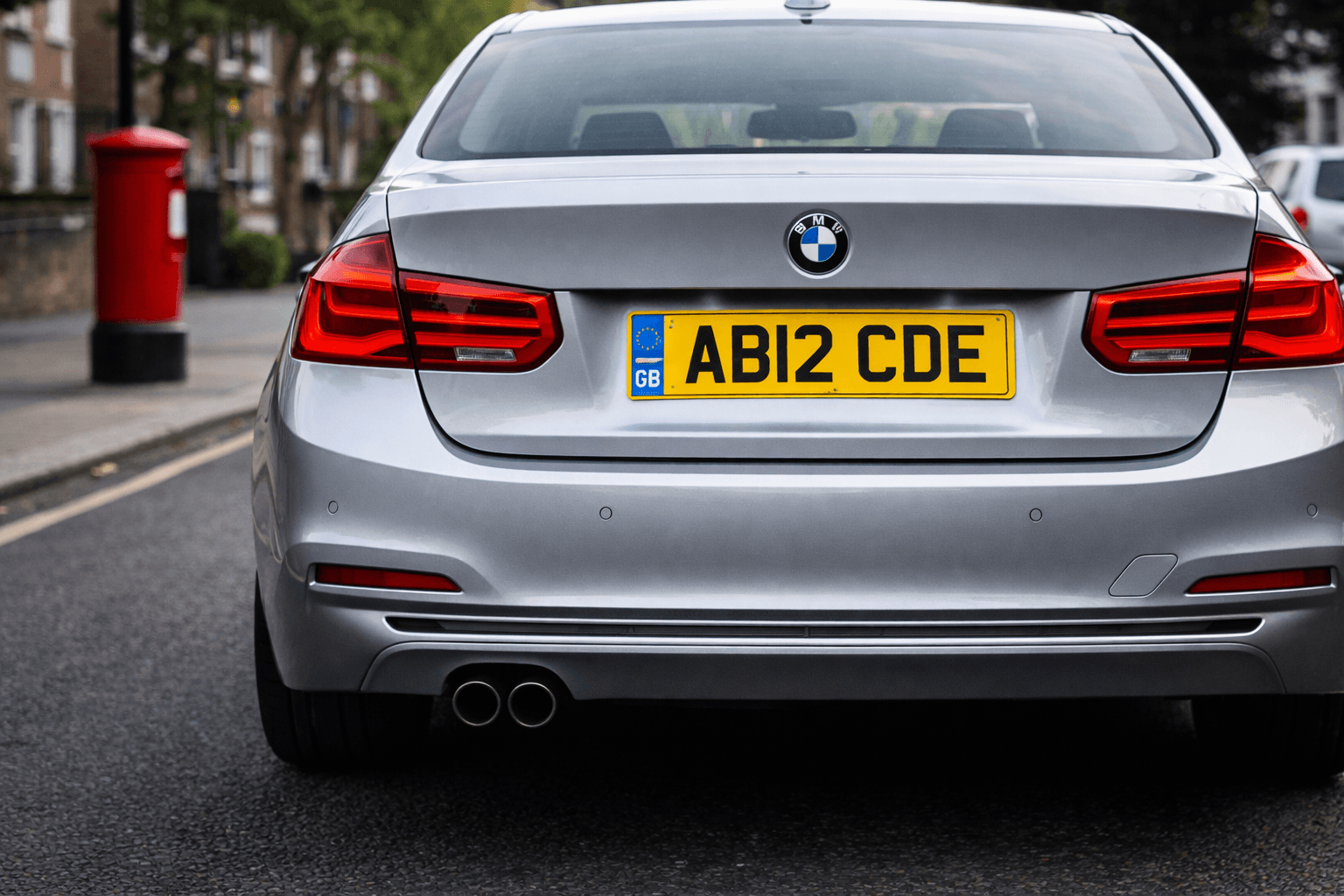
The Anatomy of a UK Number Plate
If you've ever stared at a number plate in traffic and wondered what on earth those letters and numbers actually mean, you're not alone. The UK registration system is one of the most structured in the world — every character on your plate tells a story about where the car was first registered and when. Once you understand the code, you'll never look at a plate the same way again.
The UK has actually used four distinct plate formats over the years, each replacing the last as combinations ran out. Let's break them all down, starting with what you'll see on most cars today.
The Current Format (2001–Present)
The format you see on every new car sold in the UK today looks like this: two letters, two numbers, a space, then three letters. The first two letters are the "local memory tag" — they tell you which DVLA office originally registered the vehicle. The two numbers in the middle are the "age identifier" — they tell you exactly which six-month period the car was registered in. The final three letters are random, making each plate unique.
For example, on the plate BD51 SMR, the "B" stands for the Birmingham area, and "D" narrows it down to a specific local office. The "51" tells you the car was registered in the second half of 2001 (September onwards). From March to August, the age identifier matches the year — so "24" means March–August 2024. From September to February, you add 50 — so "74" means September 2024 to February 2025.
It's a clever system. Spot a plate starting with "73" and you know the car was registered between September 2023 and February 2024. The system won't run out of combinations until at least 2051, at which point someone else can worry about it.
Prefix Plates (1983–2001)
Before the current system, we had prefix plates. These are easy to spot: a single letter at the front, followed by a number (up to three digits), then three letters. That first letter is the age identifier — "A" for 1983, "B" for 1984, and so on. The letters I, O, Q, U, and Z were skipped because they looked too similar to numbers or caused confusion.
The three letters at the end indicate the registering office. If you see a prefix plate ending in "WRT", for instance, that's a Leeds registration. These plates ran from A-reg in August 1983 all the way to Y-reg in March 2001.
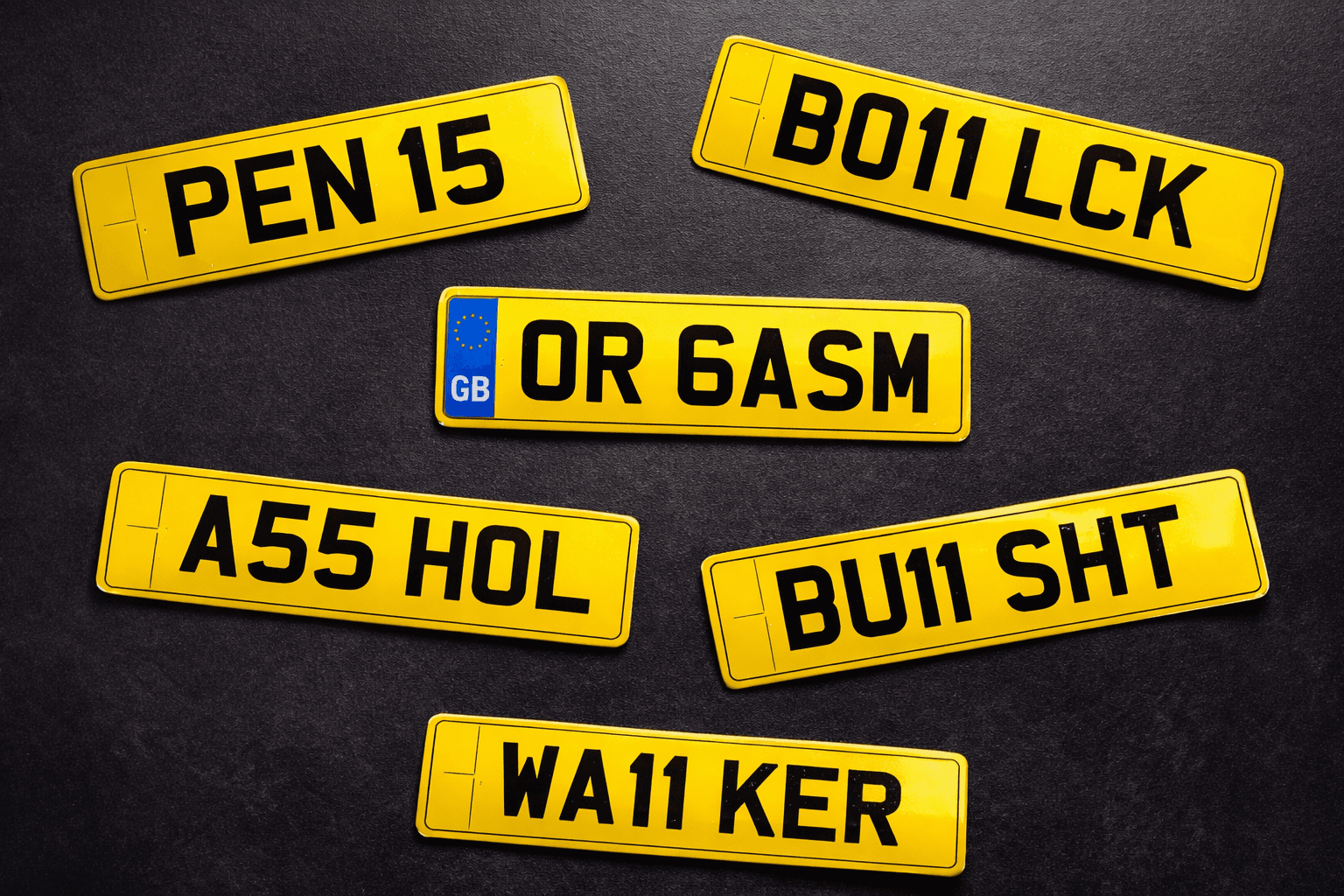
Prefix plates are still hugely popular for personalised registrations because they naturally create initial-style combinations. A plate like P4 ULA or J4 MES reads clearly as a name if you're willing to accept the number substitution.
Suffix Plates (1963–1983)
Before prefix plates, the year letter sat at the end of the plate instead of the beginning. The format is three letters, up to three numbers, then a single letter. So "ABC 123D" has the year letter "D" at the back. The letter "A" started in February 1963, and the system ran through to "Y" in July 1983.
Suffix plates are particularly nice for personalised use because the three letters at the start can spell initials or short words. They have a vintage look to them too, which appeals to classic car owners.
Dateless Plates (Pre-1963)
And then there's the holy grail: dateless plates. These are the oldest format and carry no year identifier at all, which means they can legally go on any age of vehicle — brand new or vintage. They consist of a combination of up to three letters and up to four numbers, in either order.
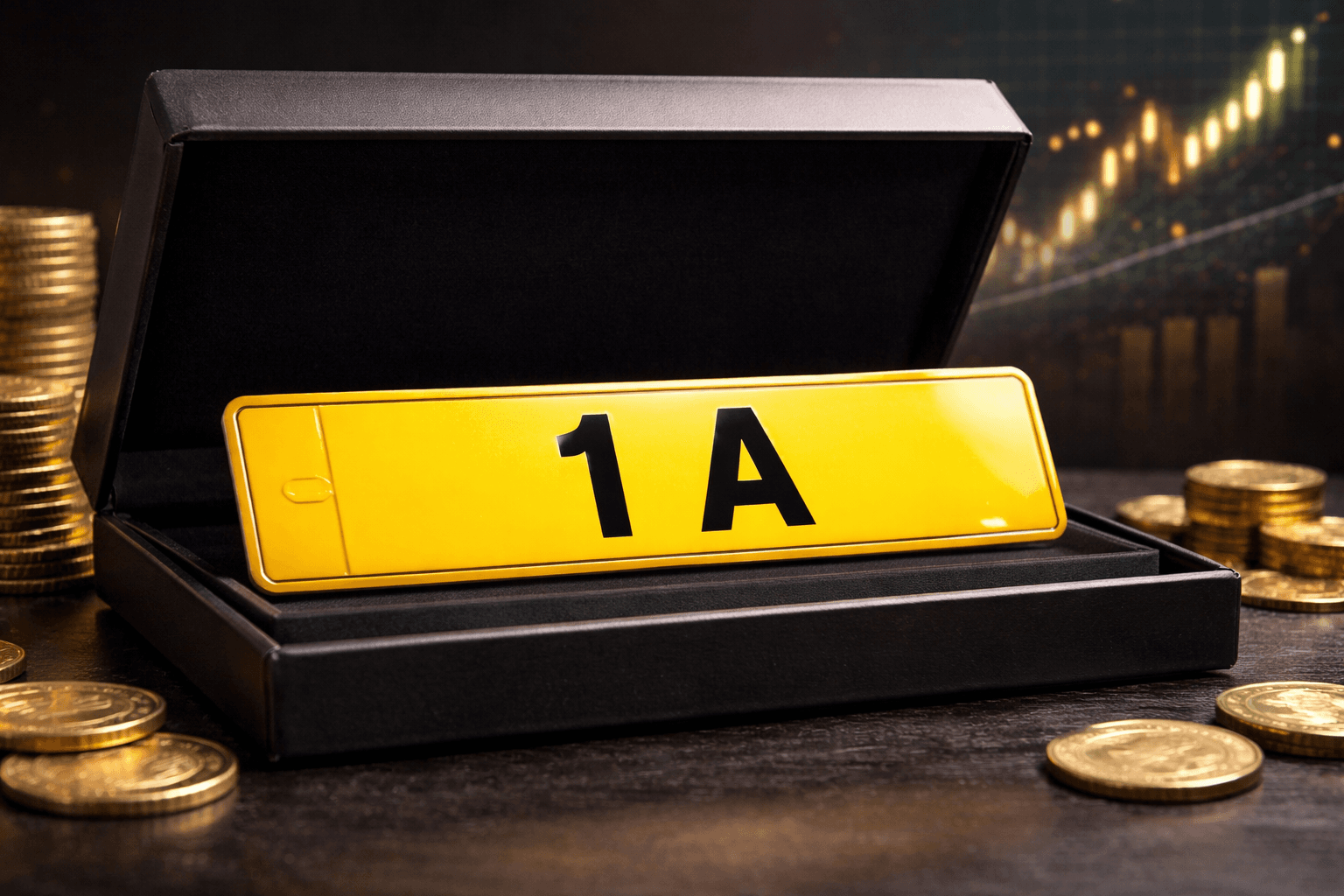
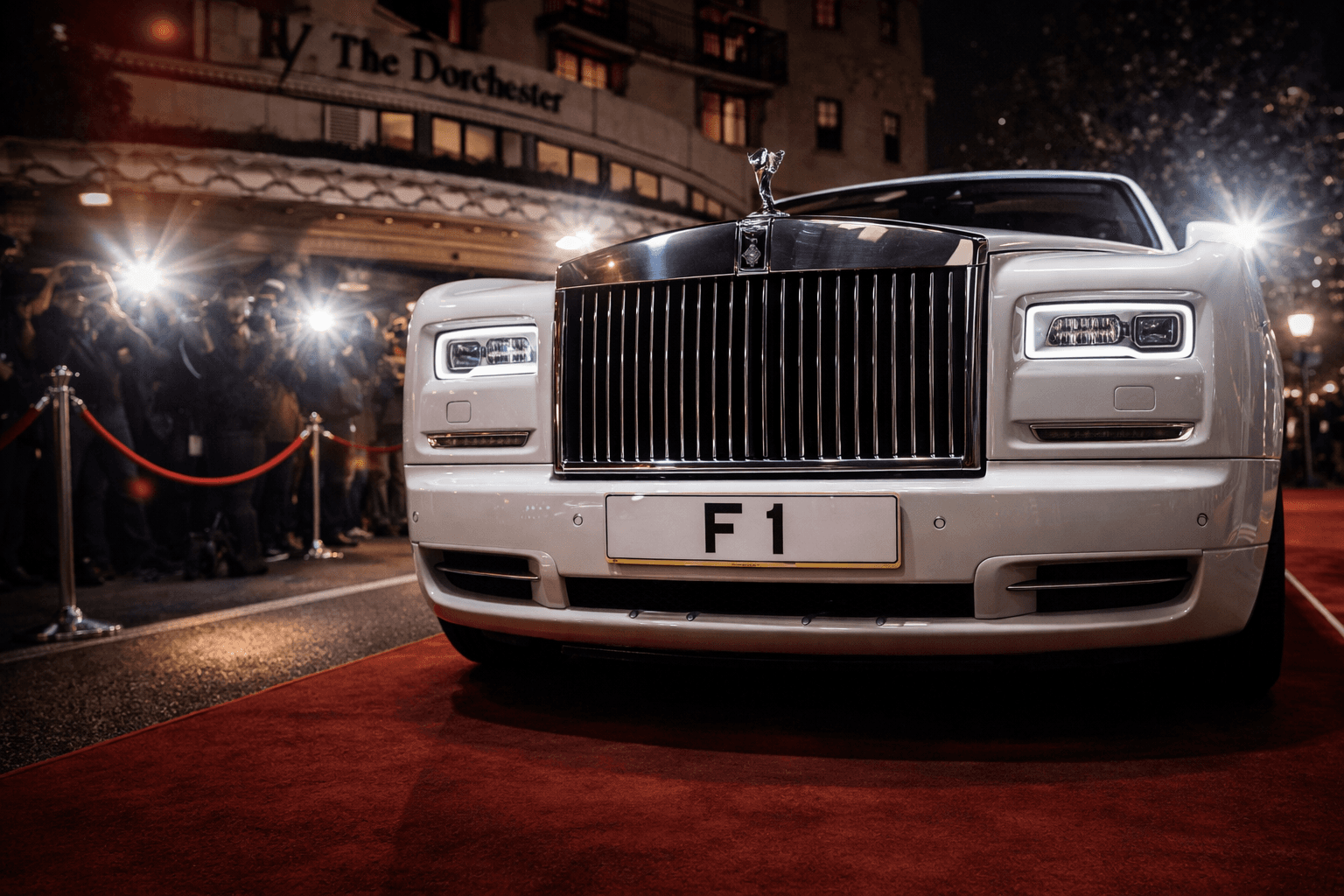
Dateless plates range from common four-digit versions to the truly rare single-letter, single-number combinations. A plate like "1 A" is phenomenally rare and valuable. The shorter the plate, the more it's worth, and some dateless plates have sold for hundreds of thousands of pounds.
The letters on dateless plates originally indicated the registering council area. "A" was London, "B" was Lancashire, "S" was Scotland, and so on. These plates are no longer issued by the DVLA (they ran out decades ago), so the only way to get one is to buy it from a current owner or dealer.
Northern Irish Plates — The Bonus Format
Northern Ireland has its own registration system, and crucially, NI plates don't carry a year identifier either. This makes them function like dateless plates — they can go on any age of vehicle. NI plates feature up to three letters (starting with I or containing I/Z) followed by up to four numbers.
Because NI plates are effectively dateless and the DVLA still issues new combinations, they tend to be much cheaper than mainland dateless plates. They're a popular workaround for people who want to hide their car's age without spending a fortune.
What You Can't Do With Your Plate
A few rules worth knowing: you cannot make your car appear younger than it is with a personalised plate. A car from 2010 cannot wear a "24" plate. You can make it look older, though — a 2024 car could wear a dateless plate just fine. The DVLA also has strict rules about plate spacing, fonts, and colours. Your plate must use the standard Charles Wright font, and fancy italic or 3D letters that alter the spacing are technically illegal (even though you see them everywhere).
The DVLA takes plate legality seriously — incorrectly displayed plates can earn you a £1,000 fine and an MOT failure. So by all means get creative with your registration choice, but keep the physical plate itself above board.
Ready to find your perfect plate?
Search over 73 million UK registrations with AI-powered search.
Search plates